Skip to content

Radiators and Low Temperature Heating

N Northline Heat Pumps
9 min read

Why Radiators Still Work with Heat Pumps

Radiator upgrades sit at the centre of most UK heat pump retrofits, because a home that felt perfectly warm with a gas boiler can struggle when the system is re-tuned for low temperature heating. That does not mean heat pumps «don't work with radiators»; it means the heat emitters, pipework, controls and settings must be aligned so the house can deliver the same heat using cooler water.

In Greater Manchester, the practical aim is usually steady comfort rather than short bursts of very hot water. A boiler often runs radiators with much higher flow temperatures, which makes smaller emitters feel punchy but also encourages stop–start heating. A heat pump is most comfortable and efficient when it can tick along for longer at lower flow temperatures, and that pushes attention onto radiator surface area, room-by-room heat loss, and how evenly the system is balanced.

One detail causes more confusion than anything else: radiator outputs in UK catalogues are usually stated to the EN 442 reference condition of 75°C flow / 65°C return / 20°C room air, which is known as Delta T 50 because the average water temperature is 70°C and the room is 20°C. At heat-pump-friendly temperatures, the same radiator emits far less heat than its headline figure, so it is easy to look at a «1,000 W» radiator and assume it will cover a 1,000 W room on a heat pump when it will not.

A simple way to visualise this is to think in «output fraction». Under EN 442 conditions, the fraction is 1.00. At 55/45/20 (Delta T 30), many correction-factor tables put the output at about 0.51 of the Delta T 50 rating, and at 45/35/20 (Delta T 20) at about 0.302. Put plainly: the radiator may give roughly half its catalogue output at Delta T 30, and closer to a third at Delta T 20. This is why a heat pump radiator upgrade is so often about either larger radiators, a greater number of radiators, or emitters with more surface area (for example, double-panel convectors rather than older single panels) in the rooms with the highest heat demand.

Key Considerations

  • Radiator catalogue outputs are stated at Delta T 50, but heat pumps typically run at Delta T 20–30, cutting effective output to a third or half.

  • Underfloor heating can maintain comfort with water temperatures of 25–35°C, aligning well with heat pump operation for large areas.

  • Basic fabric improvements—loft insulation, draught sealing, glazing upgrades—reduce heat loss enough to keep flow temperatures down and limit radiator scope.

  • The most reliable approach is room-by-room heat loss, followed by emitter selection for intended operating temperatures and system design that delivers needed flow rates quietly.

  • Signs radiators are the limiting factor include rooms warm only when radiators are very hot, large rooms lagging behind the house, and cold spots near windows persisting.

  • The Boiler Upgrade Scheme provides £7,500 off heat pump installation, with a time-limited £1,500 uplift for eligible off-gas-grid properties from July 2026 to March 2027.

Fabric First, Then Emitters

The most reliable approach starts with the building fabric, not the emitters. A draughty bay-windowed front room, an uninsulated solid-wall gable, or a loft space with patchy insulation can create a heat loss that forces higher flow temperatures no matter how large the radiators are.

Basic fabric improvements—topping up loft insulation, addressing obvious draught paths, upgrading poorly performing glazing, and improving airtightness around suspended timber floors—can reduce required radiator output enough to keep flow temperatures down. That can cut the scope of radiator upgrades and improve comfort at the same time.

People often type heat pump radiator sizing uk into a search box hoping for a quick rule, but there is no single radiator-to-heat-pump conversion that holds across different house types. The correct method is room-by-room heat loss, followed by emitter selection for the intended operating temperatures, and then system design that can actually deliver the needed flow rates quietly and evenly.

In practice that means focusing on the «worst rooms» first: the largest spaces, north-facing rooms, rooms with lots of external wall, and rooms where occupants want higher temperatures (for example, bathrooms).

Certain signs strongly suggest radiators are currently the limiting factor and that a planned upgrade will pay off in comfort: rooms warm only when radiators are very hot, radiators cool quickly after the heat source stops, large rooms lag behind the rest of the house, bedrooms never reach their set temperature, heating feels «on/off» rather than steady, some radiators stay lukewarm while others roar, flow temperature has to be pushed up in cold spells, and cold spots near windows persist even with heating on.

When the survey points to emitter changes, there are three broad paths that suit Manchester-style retrofits, and they can be mixed within the same home. First is «radiator-led low temperature»: keep radiators throughout, but adjust sizes and types so key rooms can be satisfied at lower flow temperatures.

Second is targeted underfloor heating: add underfloor heating in areas with high heat demand or where comfort is particularly valued (kitchens, extensions, open-plan ground floors), while keeping radiators elsewhere. Third is a hybrid emitter approach that stays fully electric: radiators in most rooms, and a higher-output emitter in one or two challenging spaces (for example, a fan-assisted convector where wall space is tight), so the whole system does not need a higher temperature just to satisfy one room.

Underfloor heating can make the low-temperature approach feel effortless because it uses a large area to emit gentle heat. In many home installations, underfloor heating can maintain comfort with typical heating water temperatures in the 25–35°C range, which aligns well with heat pump operation. Radiators can work very well too, but they generally require warmer water than floors to deliver the same room heat output, so the emitter choice (and sizing) becomes more important when a property is radiator-led.

Funding and Scheme Eligibility

England and Wales offer substantial support through the Boiler Upgrade Scheme, with time-limited uplifts for off-gas-grid properties

Output Fractions and Design Points

A short side-by-side snapshot helps explain why «catalogue watts» can mislead when planning radiator upgrades: EN 442 catalogue condition at 75/65/20 (Delta T 50) gives an output fraction of 1. 00 versus the rating. Lower-temperature radiator design point at 55/45/20 (Delta T 30) yields roughly 0. 51 of the EN 442 rating. 302 of the catalogue output. Typical underfloor heating water temperature sits in the 25–35°C range, which is not directly comparable but aligns well with heat pump operation for large floor areas. That table is not an instruction to run a specific temperature; it is a reminder to check what a radiator can actually deliver at the temperatures a heat pump is intended to use. A well-set heat pump will usually adjust flow temperature automatically with weather compensation, so the «design point» should be treated as the coldest-conditions target rather than the temperature used every day.

View all guides

The Work Sequence for Radiator Upgrades

A Clear Path to Comfort and Efficiency

Five Steps

A Clear Path to Comfort and Efficiency

The work itself tends to go smoothly when it follows a clear sequence, because each step prevents expensive rework later. Establish room-by-room heat loss and comfort goals, including any rooms that should be warmer (bathrooms) or cooler (spare rooms). Decide the emitter plan (radiators, underfloor heating, or mixed emitters) and choose radiator types that fit each room's wall space and furniture layout. Check the distribution system: pipe sizes, microbore constraints, available pump head, and whether the system can deliver the required flow rates without excessive noise. Refine controls: ensure weather compensation is enabled, set sensible heating curves, and check that thermostatic radiator valves and room thermostats will not fight each other. Commission and balance: flush if needed, set system flow rates, balance radiators so every room receives its share, and then fine-tune temperatures over a few weeks of real weather.

Each step prevents expensive rework later and builds a foundation for quiet, steady heating through a damp North West winter.

Signs Radiators Need Upgrading

  • Rooms warm only when radiators are very hot
  • Radiators cool quickly after the heat source stops
  • Large rooms lag behind the rest of the house
  • Bedrooms never reach their set temperature
  • Heating feels «on/off» rather than steady
  • Some radiators stay lukewarm while others roar
  • Flow temperature pushed up in cold spells
  • Cold spots near windows persist with heating on

Boiler Upgrade Scheme Details

Funding and eligibility can influence timing. In England and Wales, the Boiler Upgrade Scheme is accessed through an MCS certified installer and, in standard cases, provides £7,500 off the cost and installation of air-to-water, ground source and water source heat pumps.

There is also a time-limited uplift: from 21 July 2026 until 31 March 2027, eligible off-gas-grid properties can receive an additional £1,500 (making £9,000 in total) towards an air-to-water or ground source heat pump when the scheme conditions are met.

Because these rules can be specific to property circumstances, the safest approach is to confirm eligibility early in the planning stage, before finalising an emitter scope.

For many Manchester homes, the practical takeaway is reassuring: a comfortable heat pump installation with radiators is achievable, but it is rarely achieved by «keeping everything the same» and swapping the heat source. The best results come from treating emitters, fabric, pipework and controls as one system.

If the home already has generous radiator surface area, the upgrades may be modest; if rooms are marginal even with a boiler, a targeted radiator and underfloor heating plan can transform comfort while keeping operating temperatures realistic.

The trade-off is straightforward: the more of the home's heat demand that can be met at lower water temperatures, the easier it is to run the system quietly, steadily and comfortably through a damp North West winter.

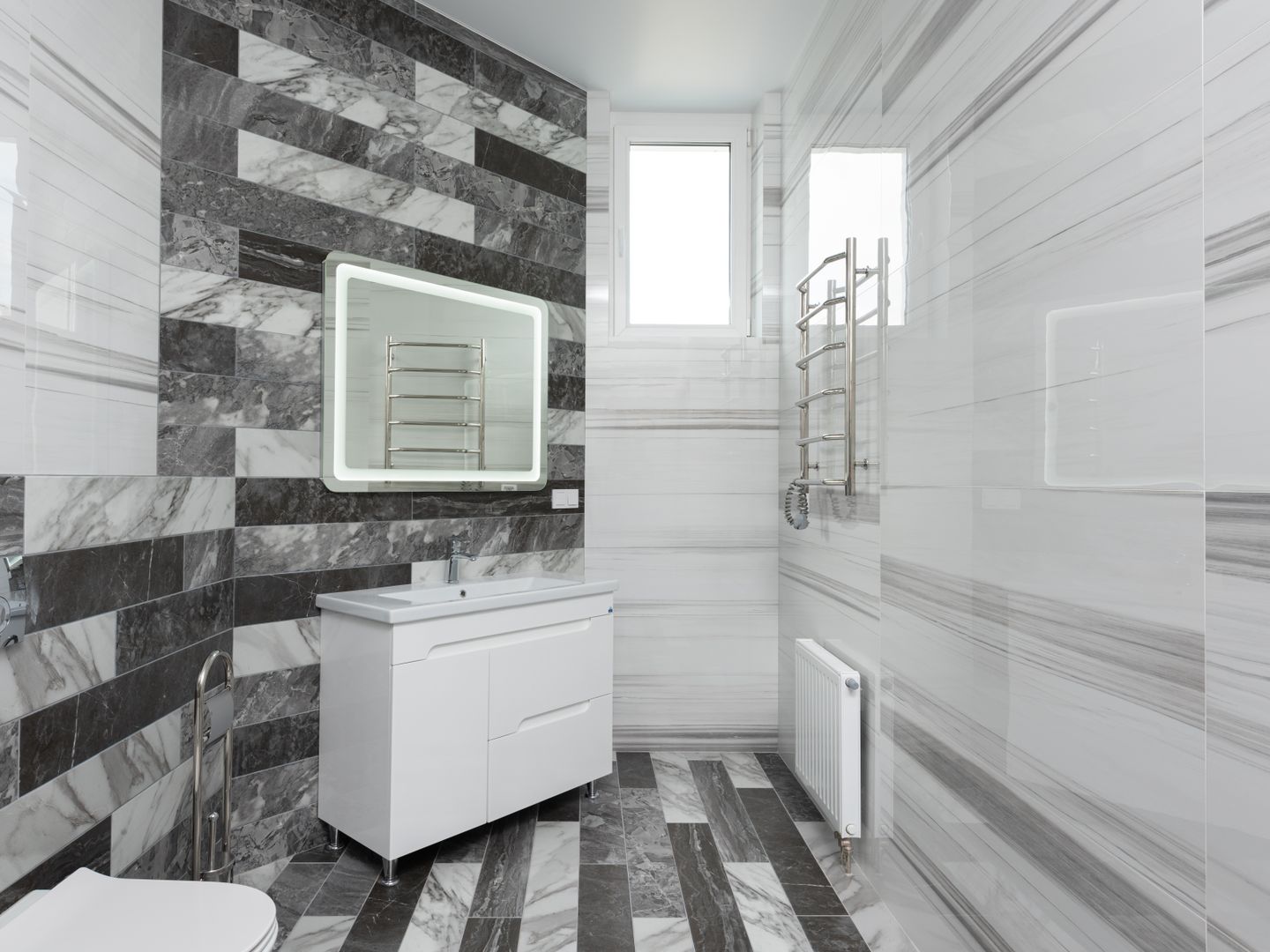
Modern radiator panel installation in a residential setting with low temperature heating system
Radiator sizing for heat pump operation requires understanding lower flow temperatures

Three Emitter Strategies for Manchester Retrofits

Radiator-Led Low Temperature

Keep radiators throughout the property, but adjust sizes and types so key rooms can be satisfied at lower flow temperatures. This approach works well when wall space is available and the existing distribution pipework can support increased flow rates. Focus on the rooms with the highest heat demand first: living rooms, bathrooms, and north-facing bedrooms. Replace single-panel radiators with double-panel convectors where possible to increase surface area without taking up significantly more wall space. This strategy minimises disruption and works within the existing heating architecture, making it the most straightforward path when fabric improvements have already reduced heat loss to manageable levels.

Targeted Underfloor Heating

Add underfloor heating in areas with high heat demand or where comfort is particularly valued—kitchens, extensions, open-plan ground floors—while keeping radiators elsewhere in the property. Underfloor heating can maintain comfort with typical heating water temperatures in the 25–35°C range, which aligns well with heat pump operation and reduces the burden on radiators in other rooms. This hybrid approach is especially effective in homes with mixed floor types: solid floors in extensions or ground-floor living areas can accommodate underfloor heating retrofits more easily than suspended timber floors upstairs. The result is a system that can run at lower overall temperatures while delivering excellent comfort in the spaces where occupants spend most of their time.

Hybrid Emitter Approach

Use radiators in most rooms, and deploy a higher-output emitter in one or two challenging spaces—for example, a fan-assisted convector where wall space is tight or a large room has limited emitter capacity. This prevents the whole system from needing a higher temperature just to satisfy one difficult room. Fan convectors can deliver significant heat output at low water temperatures by moving air actively across the heat exchanger, making them ideal for bathrooms or utility rooms where a standard radiator would be too large. This approach keeps the system fully electric, avoids major pipework changes, and ensures that no single room becomes the thermal bottleneck that dictates operating temperatures for the entire house.

Radiator Output at Different Operating Regimes

This table shows how radiator output fractions change with flow and return temperatures, illustrating why catalogue ratings can mislead when planning for heat pump operation.

Radiator Output at Different Operating Regimes
Regime Temperatures Delta T Output Fraction
EN 442 catalogue condition 75/65/20 50 1.00
Lower-temperature design point 55/45/20 30 ~0.51
Very low-temperature design point 45/35/20 20 ~0.302
Typical underfloor heating water 25–35 n/a n/a

These figures illustrate typical correction factors; actual output depends on radiator type, room conditions, and system design.

Practical Advice

Match Heat Loss to Emitter Output at Intended Temperatures

A useful mental picture is a simple chart that shows radiator output dropping as flow and return temperatures drop, while comfort can remain excellent if the surface area increases. That is the core of the design problem: match the room's heat loss to emitter output at the intended temperatures, not at boiler-era temperatures.