Heat Pump Installation in Manchester
Everything Manchester homeowners need to know about heat pump installation: survey, costs, BUS grants, noise rules, and avoiding common mistakes. Get your quote today.
A heat pump is not a fit-and-forget appliance: it is a complete heating system, interacting with your radiators or underfloor heating, a hot water cylinder, controls, and existing pipework that may be decades old. Done well, heat pump servicing keeps running costs predictable, protects the compressor, and helps your home stay consistently comfortable through damp Manchester winters and mild shoulder seasons.
Heat pump maintenance can feel intimidating because the technology sounds new, but most of the reliability story is simple: keep airflow and water flow healthy, keep settings aligned with how the home actually loses heat, and keep a clear paper trail for warranties and any grant requirements. If you are searching for heat pump service Manchester or heat pump servicing Manchester UK, it helps to know what a proper visit should include, what you can safely do yourself, and what must be left to a qualified engineer.
Annual servicing is the safest default for warranty and efficiency. Most problems start with airflow or water flow restrictions. Commissioning settings affect bills more than most people expect. Small control tweaks can prevent noisy, inefficient cycling. Documentation matters for guarantees and future home sales. A good service visit should leave clear notes and next steps.
Servicing usually means a scheduled professional inspection and performance check, plus any manufacturer-required tasks. Maintenance is broader and includes homeowner basics like keeping vents clear and noticing changes in noise, heat-up times, or hot water recovery. Heat pump commissioning is the set-up and verification work that proves the system is installed correctly and is operating as intended; commissioning happens at installation, but it often needs revisiting after the first heating season when the home's real-world behaviour becomes clear.
Keeping airflow unobstructed around your outdoor unit and maintaining clean water-side filters prevents most common efficiency losses.
Weather compensation curves and flow temperature settings are where comfort and energy bills are won or lost.
Revisit commissioning after the first full winter when your home's real-world heat loss patterns become clear.
Refrigerant work must be handled by F-gas qualified personnel; routine visits focus on water flow, airflow, and controls.
A thorough service inspection can reveal underlying system faults in older homes where pipework was never designed for low-temperature heating.
Clear service records and handover certificates protect your warranty and support any future property sale.
It helps to separate the terms people mix together.
Settings validated at commissioning affect comfort and running cost more than many homeowners realise.
As of August 2026, many households in England and Wales still use the Boiler Upgrade Scheme (BUS) to reduce the upfront cost of an air-to-water or ground source heat pump. The standard BUS grant value is £7,500, and there is a temporary uplift to £9,000 for eligible off-gas-grid properties replacing oil or LPG heating, available from 21 July 2026 until 31 March 2027.
While the grant is about installation rather than ongoing care, it reinforces why commissioning and documentation are treated seriously: your installer is expected to install and commission correctly, and the homeowner should retain the handover pack and certificates. A good paper trail protects both the warranty and any future home sale.
A common worry is whether a heat pump has lots of gas work like a boiler. Most UK domestic air-to-water heat pumps are sealed refrigeration systems; routine servicing is mainly about safe operation, controls, and the water side of the heating system. However, if refrigerant work is required—for example, diagnosing a suspected refrigerant leak, recovering refrigerant, or breaking into the circuit—it must be handled by appropriately qualified personnel under UK F-gas rules for equipment containing fluorinated greenhouse gases.
In practice, that means you should expect a professional to be clear about their competence for refrigerant handling rather than treating it as a casual add-on. Most routine service visits focus on water flow, air flow, control logic, and system cleanliness, not refrigerant circuits.
Understanding what regular servicing delivers and what it costs in time and money
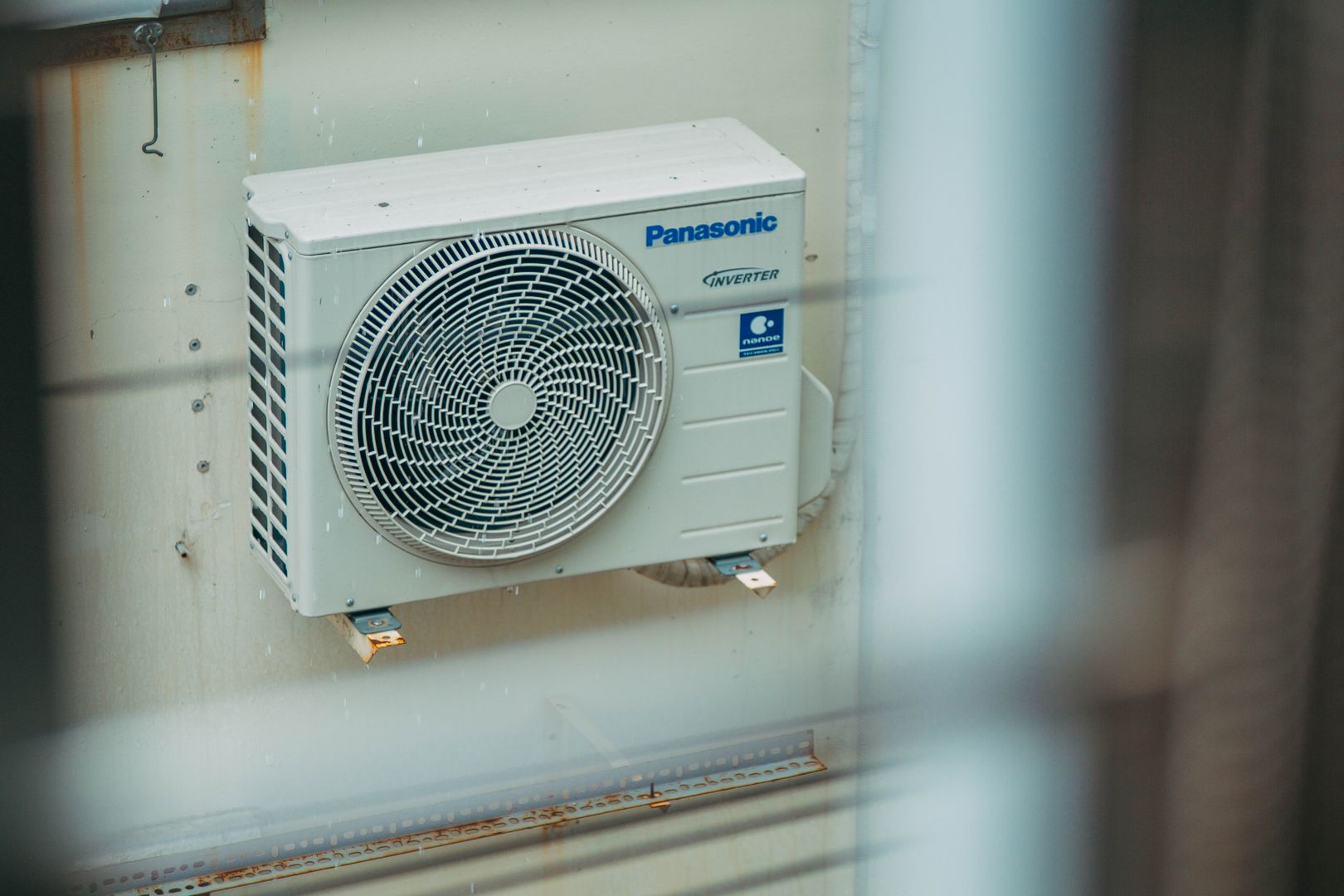
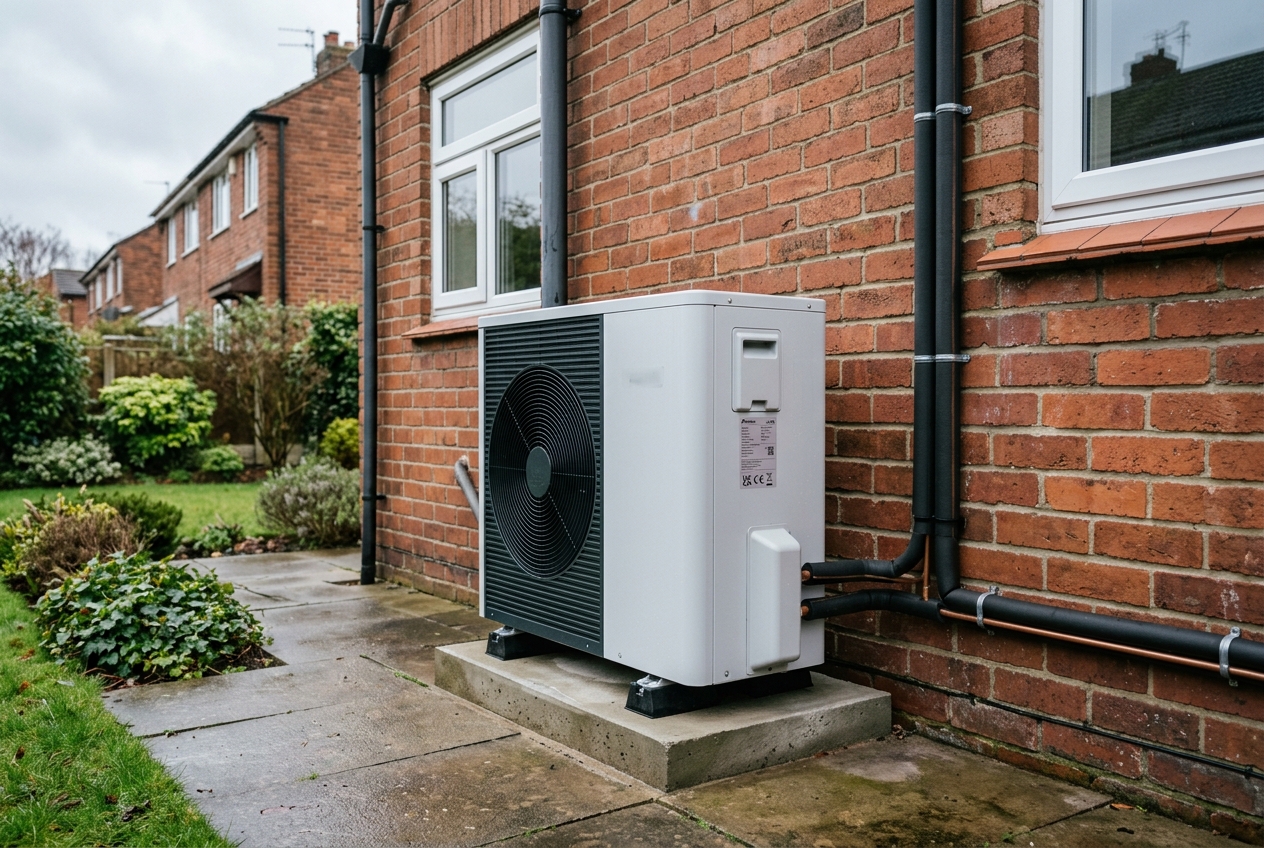
Before thinking about any engineer visit, there are a few homeowner-level checks that are both safe and genuinely useful. Keep the outdoor unit's air path clear: avoid storing bins, garden furniture, or stacked items in front of the fan, and clear leaves that collect around the base after windy weather. Indoors, make sure any strainers or filters you can access, as identified in your user manual, are not blocked, and keep a simple log of any changes you notice: unusual defrost noise, rooms that no longer reach temperature, or hot water that runs cool sooner than it used to. Those observations shorten diagnostic time and help the engineer focus on the right issue. To make ongoing care practical, keep a simple heat pump maintenance checklist you can revisit through the year. The aim is not DIY repair; it is catching small issues early and keeping the system operating in the conditions it was designed for. Check that the outdoor unit is clear of leaves and obstructions, that there is no unusual vibration, rattling, or fan noise, and that condensate or defrost drainage routes are unobstructed. Monitor that heating system pressure is stable where applicable, that radiators or underfloor heating deliver even warmth across the home, and that hot water recovery time and temperature remain consistent. Ensure control settings are unchanged or any changes are noted, and watch for any visible damp marks on pipework, valves, or cylinder areas.
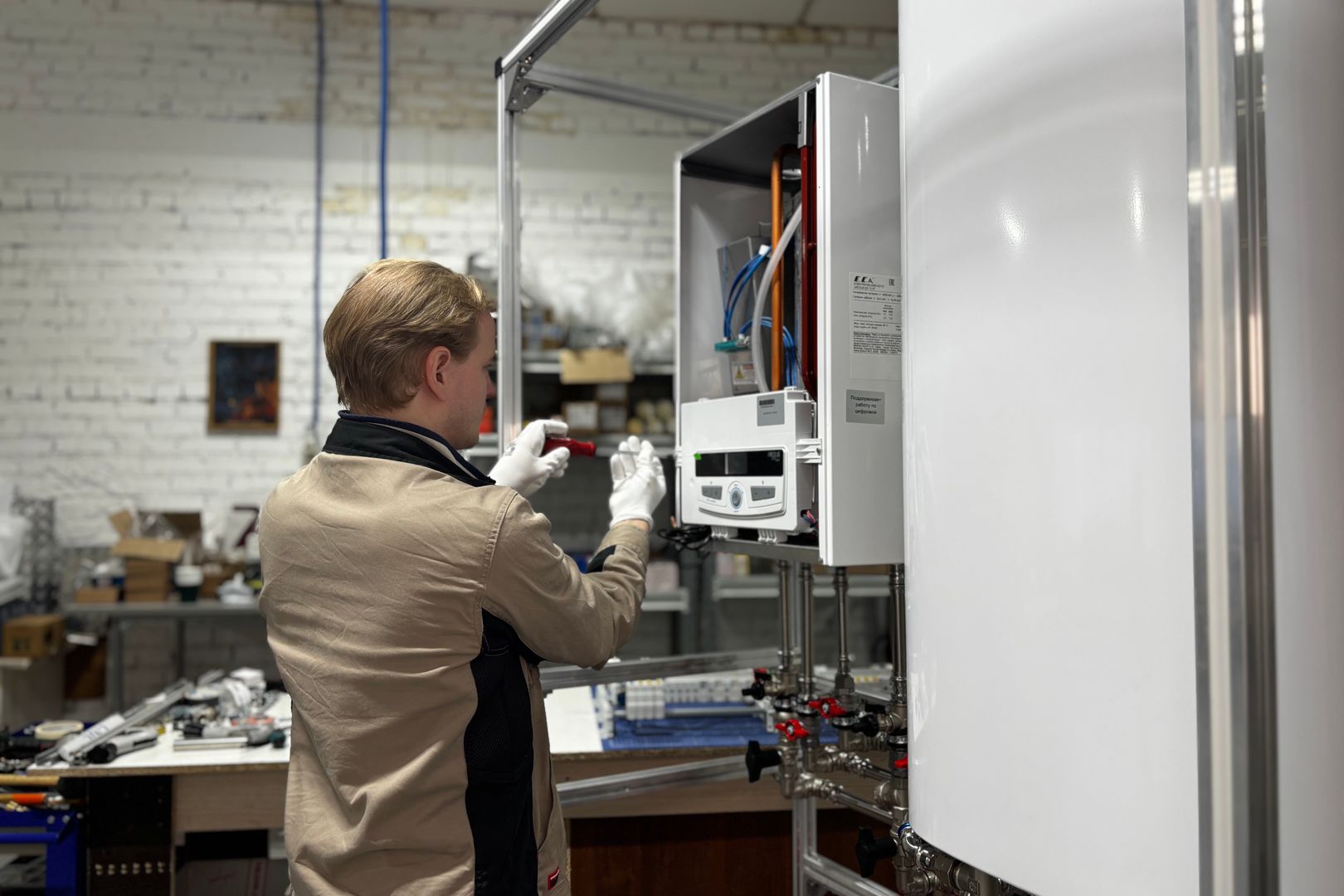
A professional service visit, done properly, is more structured than many people realise. It can be thought of as four ordered stages that verify safety, performance, and optimal control settings.
Confirm any fault codes, review recent behaviour, and make sure the system is safe to run before beginning physical inspection or operational tests.
Look at the outdoor unit condition, clearances, pipe insulation, visible leaks, condensate drainage, and general installation integrity to identify wear or obstructions.
Run the unit through heating and hot water demand as appropriate, verify temperature sensors and flow or return temperatures, and ensure pumps and valves behave as intended.
Fine-tune control settings if needed, note any parts that are wearing, and leave clear documentation of what was checked and what should be monitored next.
Maintenance Schedule
Homeowners benefit from having a clear view of who does what, and how often. Outdoor clearance to protect airflow and defrost should be checked monthly in autumn and winter by the homeowner. Visual leak checks to catch small drips early can be done monthly by the homeowner. System settings checks to stop accidental efficiency loss should happen seasonally and can be done by the homeowner or engineer. Full service and performance checks to protect warranty and reliability should be conducted annually by a qualified engineer. This simple framework keeps responsibilities clear and ensures nothing important is missed.
Regular servicing has clear advantages, but it also comes with real-world trade-offs that are worth saying out loud. On the plus side, it can prevent breakdowns at the worst time of year, keep efficiency steady, and identify small issues like a sticking valve, a drifting sensor, or a partially blocked filter before they turn into expensive wear on the compressor.
It also supports warranty conditions, because many manufacturers expect periodic inspection and recorded maintenance. A documented service history can reassure a future buyer if you sell the property, and it gives you confidence that the system is running as it should.
On the downside, servicing is an ongoing cost, it requires access to the outdoor unit, cylinder area, and controls, and a thorough inspection can reveal underlying system faults that need additional work. This is particularly common in older homes where pipework and radiators were never designed for low-temperature heating.
Commissioning deserves special attention because it is not just a one-day tick box. In heating terms, commissioning is about proving the system works safely and correctly, and that controls are set so the home heats steadily rather than in short bursts. If your heat pump is cycling on and off frequently, struggling to heat certain rooms, or producing hot water in a way that feels wasteful, the underlying cause is often commissioning-related.
Curves that are too aggressive, flow temperatures unnecessarily high, poor zoning logic, or an emitter mismatch can all create comfort and efficiency problems. A good annual service is a sensible time to revisit these settings, particularly after the first full winter, when your household has learnt how the system behaves.
This table shows who is responsible for each maintenance task, what its purpose is, and how often it should be performed.
| Task | Purpose | Frequency | Who |
|---|---|---|---|
| Outdoor clearance | Protect airflow and defrost | Monthly in autumn and winter | Homeowner |
| Visual leak check | Catch small drips early | Monthly | Homeowner |
| System settings check | Stop accidental efficiency loss | Seasonally | Homeowner or engineer |
| Full service and performance check | Protect warranty and reliability | Annually | Qualified engineer |
This framework keeps responsibilities clear and ensures nothing important is missed
If you need to arrange professional servicing, ask what the visit will include in writing and what paperwork you will receive afterwards. The best outcome is a clear record: what checks were done, what readings were taken, what settings were adjusted, and what the next recommended actions are.