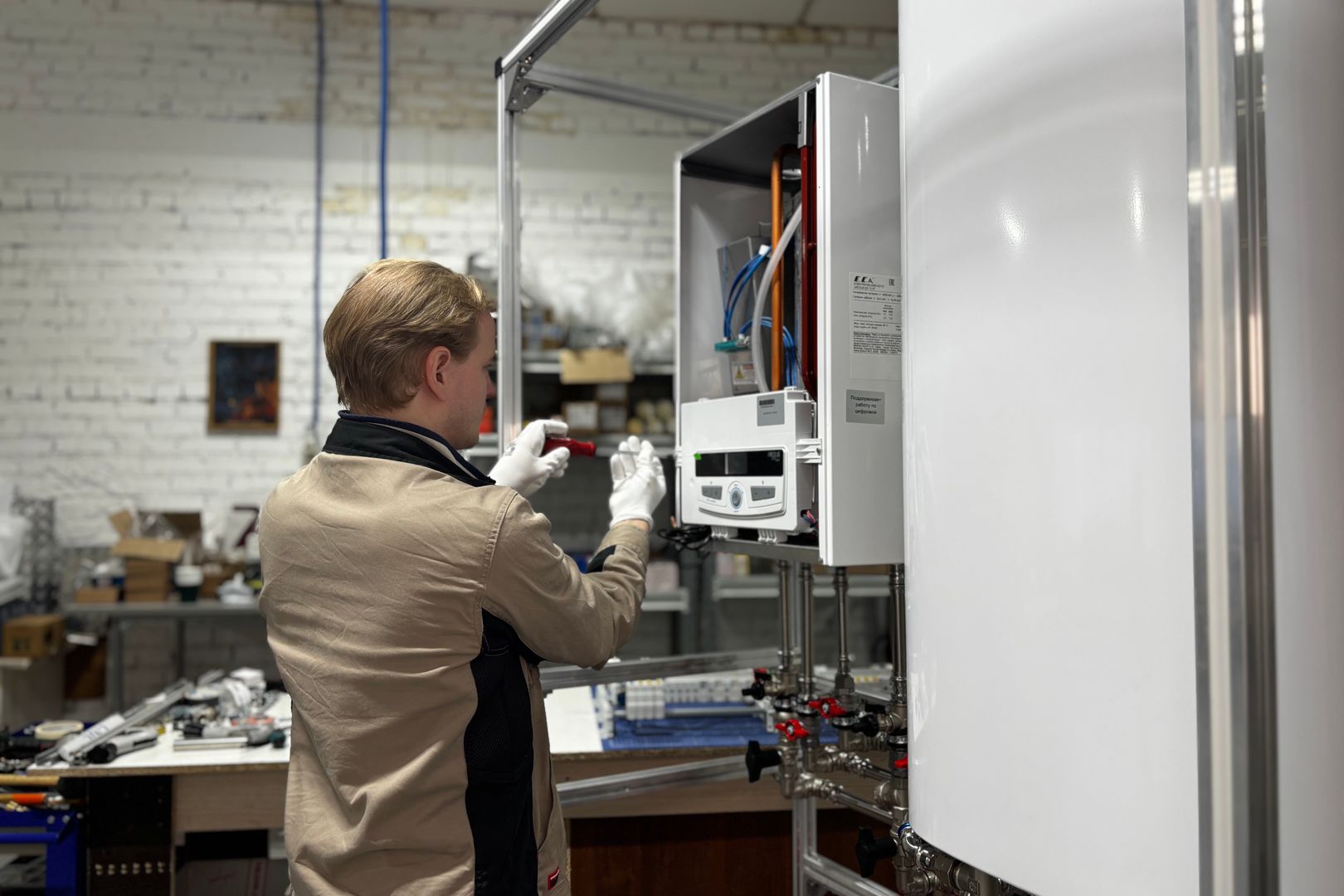
Maintenance is a smaller line item than electricity but it has an outsized impact on long-term cost because it protects efficiency. As of July 2026 OVO states that air source heat pump service costs typically range from one hundred and fifty to three hundred pounds for a standard annual visit.
That service is not just box-ticking: it should include checks on system pressure, filters and strainers, condensate drainage, temperatures and flow rates, controls, and overall operation. Skipping maintenance can lead to subtle performance drift—higher flow temperatures than necessary, cycling on and off, or poor hot-water recovery—that shows up later as mysteriously high electricity use.
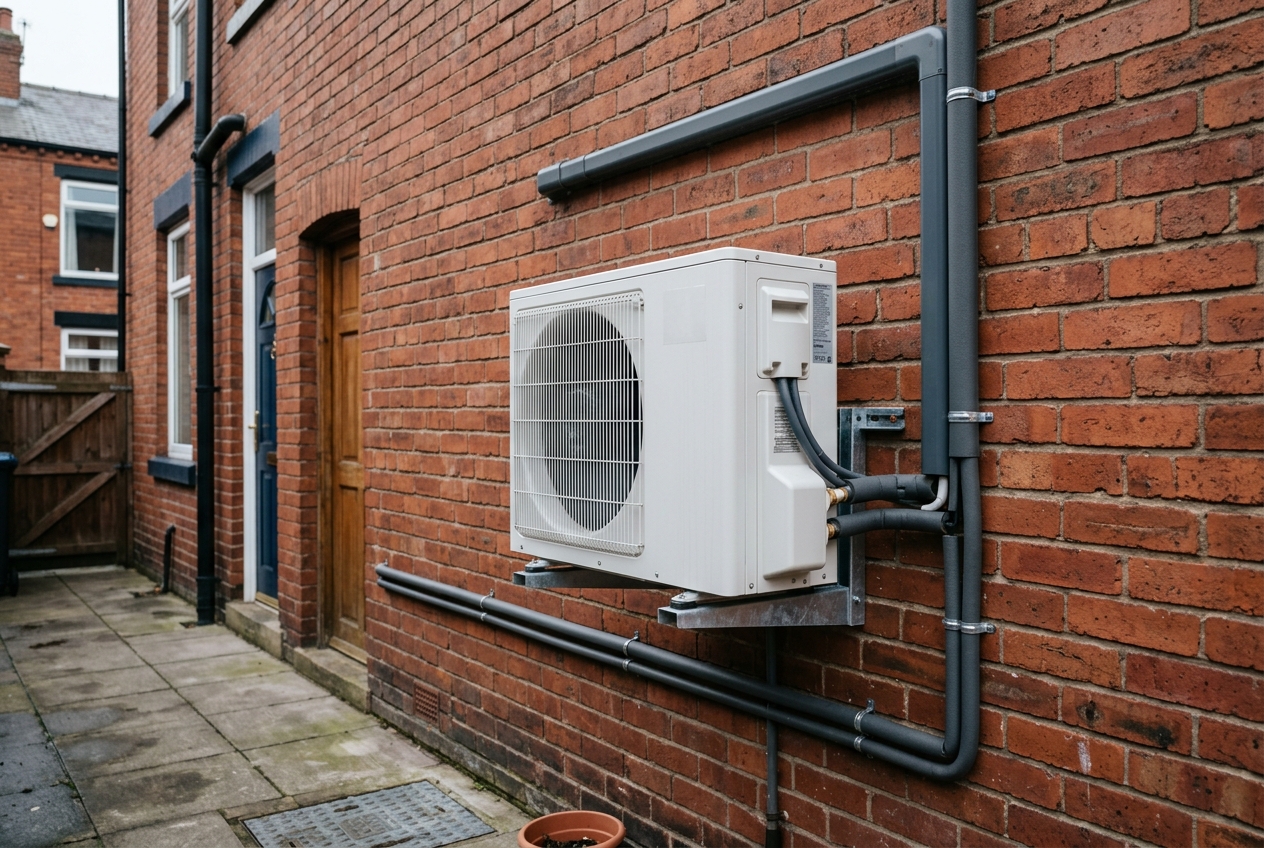
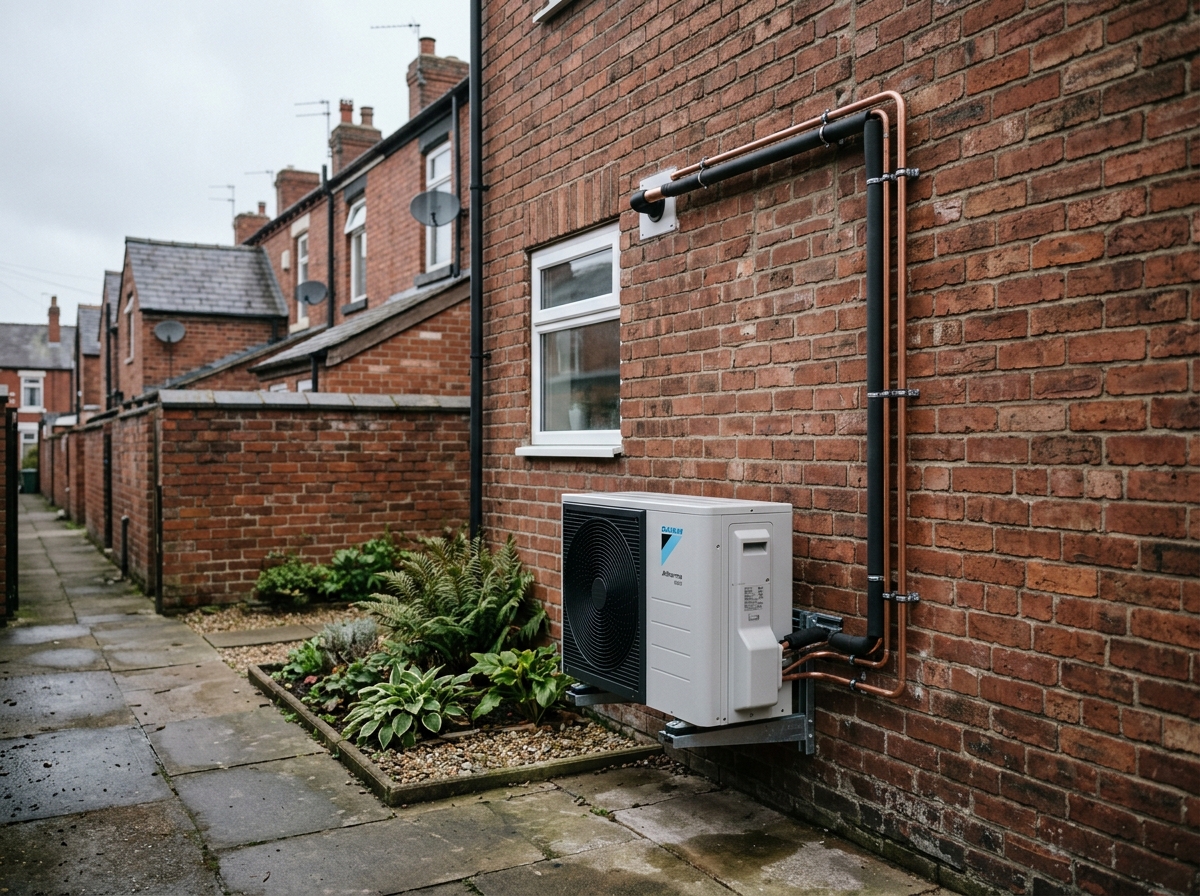
A sensible budgeting process for a Manchester retrofit can be thought of in six stages each one reducing risk. Home survey and heat-loss calculation with clear assumptions about insulation and ventilation. System design: heat-pump sizing, emitter plan for radiators or underfloor, cylinder sizing, and control strategy. Pre-installation work including any radiator changes, pipework corrections, insulation improvements, and electrical checks.
Installation and commissioning including setting weather compensation and hot-water temperatures. Early-season optimisation with small control tweaks once you have lived with the system—often the biggest comfort win. Annual service and ongoing checks to keep performance stable over the years.
There are also recurring mistakes that inflate heat pump costs over the life of the system. Oversizing is a major one: bigger is not safer if it forces short cycling and higher temperatures. Another is treating the heat pump like a combi boiler with high setpoints, short schedules, and aggressive setbacks which can all increase electricity use because the system is repeatedly asked to catch up at higher power.
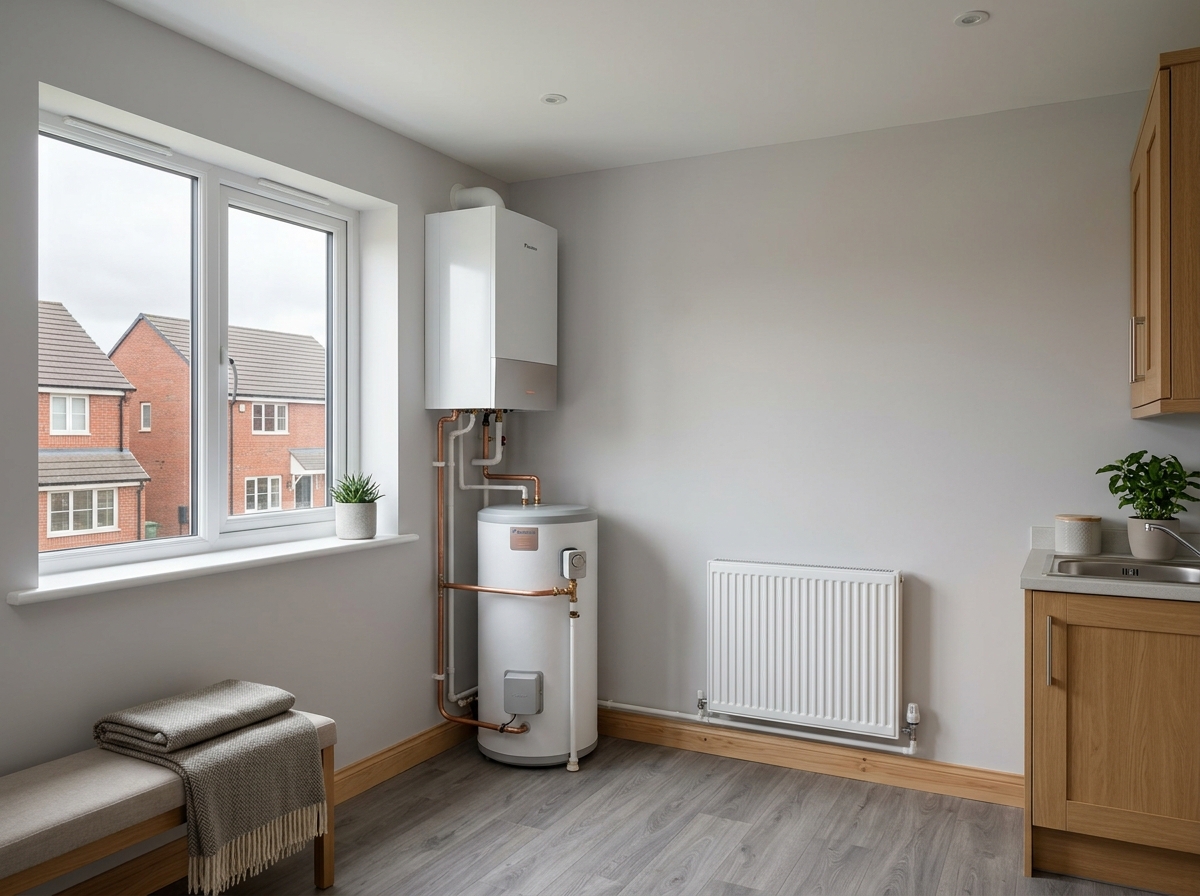
A third is ignoring the hot-water cylinder: cylinder size, reheat schedule, and the use of a periodic high-temperature cycle where appropriate all affect both comfort and consumption. Understanding what drives each piece is the quickest way to avoid overpaying up front and being disappointed by running expenses later.